
The roofer stood in my driveway and said twelve thousand dollars like it was a normal amount of money for shingles. I made him repeat it. Then I got four more quotes just to confirm I wasn’t being scammed. I wasn’t. Roofs are just expensive now, and understanding why helps you plan, budget, and avoid overpaying.
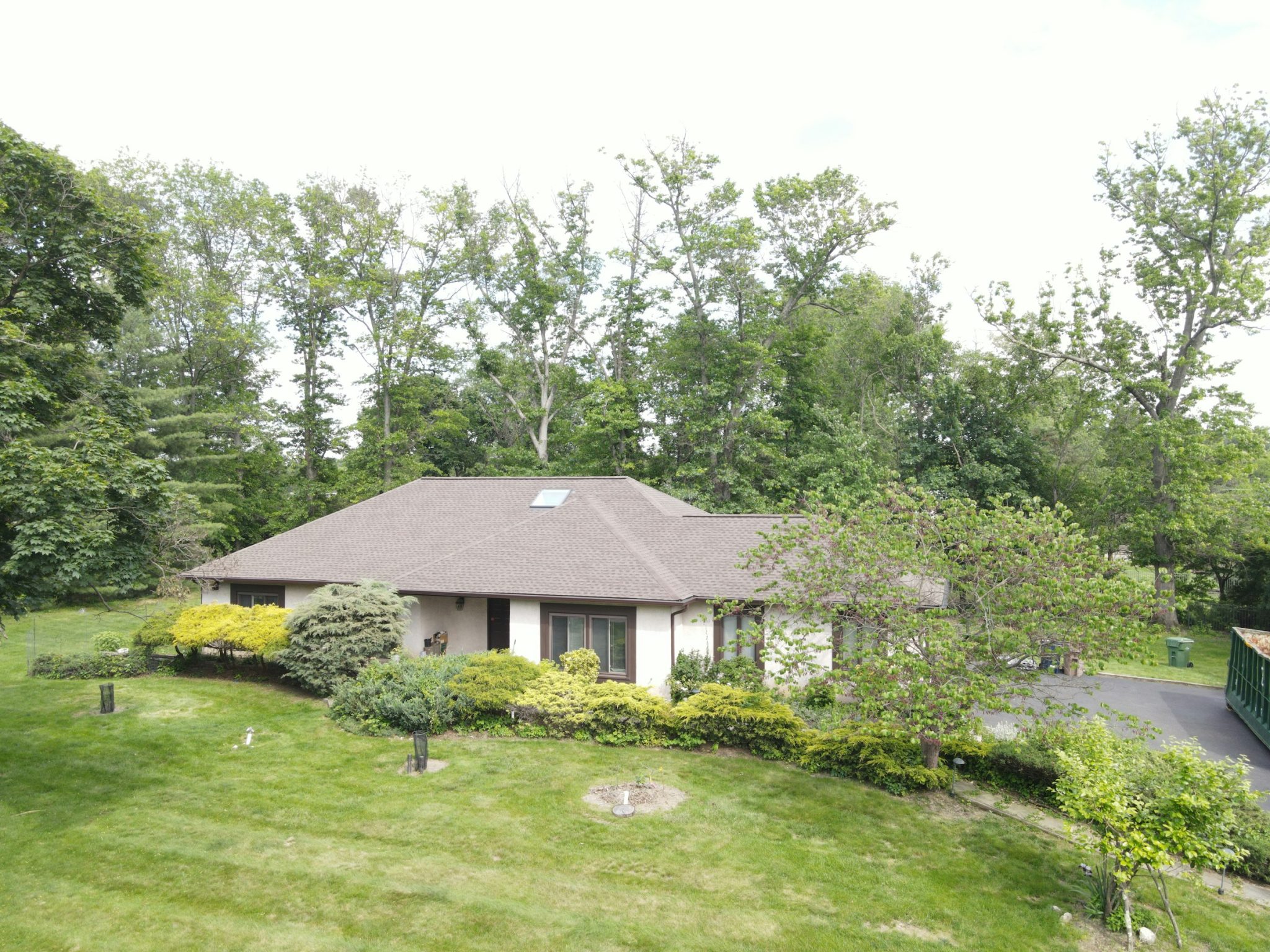
Here’s everything that goes into roof replacement cost and how to make sense of the quotes you’re getting.
What Does Roof Replacement Cost?
Most homeowners pay $8,000 to $20,000 for a complete roof replacement, with the national average falling around $10,000 to $12,000. But that range is nearly useless without knowing what drives the variation.
A small ranch house with a simple roofline and basic shingles might come in at $6,000. A large two-story with multiple dormers, valleys, and skylights could exceed $25,000 even with the same shingle quality. The variables matter more than any average.
Cost per square. Roofers price materials and labor by the “square,” which equals 100 square feet. Most residential roofs are 15 to 30 squares. Material costs range from $350 per square for basic three-tab shingles to $1,500 or more for premium materials. Labor adds $150 to $300 per square depending on complexity and your local market.
What Goes Into the Final Price
Roof size. This is the biggest factor. More squares means more material and more labor. Your roof size is typically larger than your home’s footprint because of pitch and overhangs. A 2,000 square foot home might have a 2,500 square foot roof or larger.
Roof pitch. Steeper roofs cost more because they’re harder and more dangerous to work on. A walkable pitch under 6/12 (rises 6 inches per horizontal foot) is standard pricing. Steeper pitches require additional safety equipment, slow the work, and often carry a 10-25% surcharge.
Roof complexity. Every hip, valley, dormer, chimney, skylight, and vent adds cutting, flashing, and detail work. A simple gable roof with two slopes and minimal penetrations is fastest. A roof with multiple levels, numerous valleys, and six different angles takes significantly longer.
Layers to remove. If your roof has one layer of shingles, tear-off is straightforward. Two layers means more labor and disposal fees. Three layers is rare and expensive to remove. Some building codes and some roofers will install new shingles over one existing layer, saving tear-off cost but adding weight and potentially hiding problems.
Decking condition. The plywood under your shingles may need repair or replacement. Roofers can’t know the full extent until the old shingles come off. Rotted decking typically costs $75 to $150 per sheet to replace, and several sheets needing replacement adds hundreds to the bill.
Material choice. Asphalt shingles are the most common and most affordable. Within asphalt, three-tab shingles cost less than architectural/dimensional shingles, which cost less than premium designer styles. Metal, tile, and slate cost progressively more.
Geographic location. Labor rates vary dramatically by region. Material delivery costs more in remote areas. Some regions have specific requirements like hurricane clips or ice and water shield that add cost.
Permit and inspection fees. Most localities require permits for roof replacement. Fees range from $100 to $500 depending on your area. Your roofer should pull the permit and schedule required inspections.
Roofing Material Costs Compared
Prices per square (100 square feet) installed, as of December 2025.
Three-tab asphalt shingles: $350-500 per square. The budget option. Flat appearance, thinner, 15-20 year lifespan. Still works fine and looks decent from the street.
Architectural asphalt shingles: $400-650 per square. The most popular choice now. More dimensional look, heavier, 25-30 year lifespan. What most roofers recommend for the best balance of cost and performance.
Premium designer shingles: $550-900 per square. Mimics slate, wood shake, or tile. Heavier, more durable, 30-50 year warranties. Significant aesthetic upgrade.
Standing seam metal: $800-1,400 per square. Durable, 40-70 year lifespan, energy efficient, distinctive look. Higher upfront cost but may be the last roof your house needs.
Metal shingles or tiles: $700-1,200 per square. Look like traditional shingles but with metal durability. Lighter than clay or concrete.
Clay or concrete tile: $1,000-2,000 per square. Common in Spanish and Mediterranean styles. Very heavy (structure must support it), extremely durable, 50+ year lifespan.
Natural slate: $1,500-3,000+ per square. The premium. Can last 100 years. Extremely heavy, requires specialized installation, costs reflect the skill required.
Breaking Down a Real Quote
Here’s roughly how our $12,400 quote broke down for a 24-square roof with architectural shingles.
Tear-off and disposal: $1,200 (removing old shingles, hauling them away)
Decking repair: $450 (six sheets of plywood needed replacing)
Underlayment: $600 (synthetic underlayment over entire roof deck)
Shingles: $4,800 (materials for architectural shingles, about $200/square)
Flashing: $800 (new flashing around chimney, vents, and roof edges)
Ridge vent and caps: $600 (ventilation along ridge plus cap shingles)
Labor: $3,200 (installation by three-person crew over two days)
Permit: $275
Miscellaneous: $475 (starter strips, nails, sealants, drip edge)
The proportions will vary by project, but this gives you a sense of where the money goes. Materials are typically 40-50% of total cost, labor 30-40%, and everything else makes up the rest.
Getting and Comparing Quotes
Get at least three quotes, ideally five. The variation in roofing estimates is genuinely shocking.
Make sure quotes cover the same scope. One quote might include new gutters while another doesn’t. One might assume decking is fine while another budgets for repairs. You can’t compare prices until the scope matches.
Ask what’s included and what’s extra. Does the quote include tear-off? Disposal? Permit? Flashing replacement? Underlayment upgrade? New drip edge? These items can add thousands if they’re extras versus included.
Get everything in writing. Verbal promises mean nothing. Your written contract should specify materials by brand and product line, warranty terms, payment schedule, start date, and what happens if hidden damage is found.
Ask about their crew. Will your roof be installed by their employees or subcontractors? Who specifically will be on site? How many projects are they running simultaneously?
Verify licensing and insurance. Licensed contractors meet state requirements for training and competency. Insurance protects you if workers are injured on your property or if damage occurs. Ask for proof of both.
Financing a New Roof
Few people have $15,000 sitting around for an unexpected roof replacement. Options exist.
Home equity loan or HELOC. If you have equity in your home, you can borrow against it at relatively low interest rates. Interest may be tax-deductible if used for home improvement.
Contractor financing. Many roofing companies partner with financing companies to offer payment plans. Interest rates vary widely, read the terms carefully.
Credit cards. For smaller jobs or if you can pay it off quickly, credit cards offer convenience but typically have high interest rates.
Personal loans. Unsecured personal loans don’t require home equity but have higher rates than secured options.
Insurance claim. If your roof was damaged by a covered event like hail or wind, your homeowner’s insurance may pay for replacement minus your deductible.
Insurance and Roof Replacement
Homeowner’s insurance covers roof damage from covered perils like hail, wind, fallen trees, and fire. It doesn’t cover normal wear and tear, lack of maintenance, or roofs that simply reached the end of their lifespan.
Filing a claim: Document damage with photos before repairs. File promptly after the damage occurs. Your insurance company will send an adjuster to assess.
Getting fair settlement: The adjuster’s first offer may be low. Get your own estimates from reputable roofers. Push back with documentation if the settlement seems inadequate.
Beware storm chasers: After major storms, door-knockers flood neighborhoods offering to “work with your insurance” in ways that may involve claim inflation or waiving your deductible. Both are insurance fraud. Work with established local companies.
Depreciation matters: Insurance may depreciate your roof’s value based on age. A 15-year-old roof may only be covered for a fraction of replacement cost even if damaged by a covered event.

Warning Signs You Need a New Roof
Some signs mean you can plan and budget. Others mean you’re already borrowing time.
Age. Asphalt shingles last 20-30 years depending on quality. If yours are approaching that range, start planning.
Curling, buckling, or missing shingles. Individual shingle failure indicates broader deterioration.
Granule loss. Bare spots where the asphalt coating has worn through. Check your gutters for accumulated granules.
Sagging roofline. Structural issue requiring immediate attention.
Daylight through roof boards. Visible from your attic. Bad sign.
Water stains on ceilings or walls. Active leaks mean active damage happening.
Moss or algae growth. Not immediately critical but indicates moisture retention that degrades shingles over time.
Mistakes to Avoid
Hiring the cheapest bidder without understanding why they’re cheapest. Low bids sometimes mean cutting corners on materials, labor, or proper installation techniques.
Not getting multiple quotes. Single quotes leave you no reference point for what’s reasonable.
Roofing over existing shingles to save money. Sometimes acceptable, often problematic. Adds weight, hides underlying damage, may void warranties, and makes future tear-off more expensive.
Ignoring permit requirements. Unpermitted work can create problems when selling your home and may void insurance coverage.
Paying everything upfront. A reasonable deposit is normal. Full payment before work begins is risky. Standard payment structure: deposit at signing, progress payment mid-job, final payment upon completion.
Choosing materials based solely on price. The difference between 20-year and 30-year shingles is a few hundred dollars but a decade of service.
Pricing reflects typical ranges as of December 2025. Costs vary significantly by region, roof characteristics, and material choices. Always get multiple detailed quotes and verify contractor credentials.


