I’ve been thinking about what an actual vacation would feel like. Not a trip where I return more exhausted than when I left. Not a week of managing logistics and activities and other people’s expectations. Something closer to genuine rest.
The travel industry has a word for this now: quietcation. It’s exactly what it sounds like. A trip built around slowing down, unplugging, and doing very little on purpose. According to the latest Gallup global wellbeing report, 39% of adults experience significant worry and 37% experience stress, both at decade-high levels. Research suggests that travelers, especially millennials and Gen Z, are increasingly choosing destinations specifically for restorative, authentic experiences rather than tourist attractions.
Vilnius, Lithuania, keeps showing up on these lists. The capital city has forests within a ten-minute drive, a serious sauna culture, and an uncrowded winter that feels like the opposite of tourist season anywhere else. I started researching it after reading that Lithuania was ranked home to the happiest young people in the world. Something about that made me curious.
Key Takeaways
- Quietcations are trips focused on digital detox, slowing down, and reconnecting with the physical world
- Vilnius has ski slopes 10 minutes from the Old Town and over 100km of hiking trails
- Traditional Lithuanian sauna sessions start around €25 per person
- Forest therapy guided walks and cold plunge groups meet daily
- Winter events include the Kaziuko Mugė craft fair (March 6-8) and film festival (March 9-22)
- Direct flights available from Frankfurt, Copenhagen, Helsinki and other major European hubs
- The city has 28 Michelin-selected restaurants, including 4 with stars
Why Vilnius Works for a Winter Quietcation
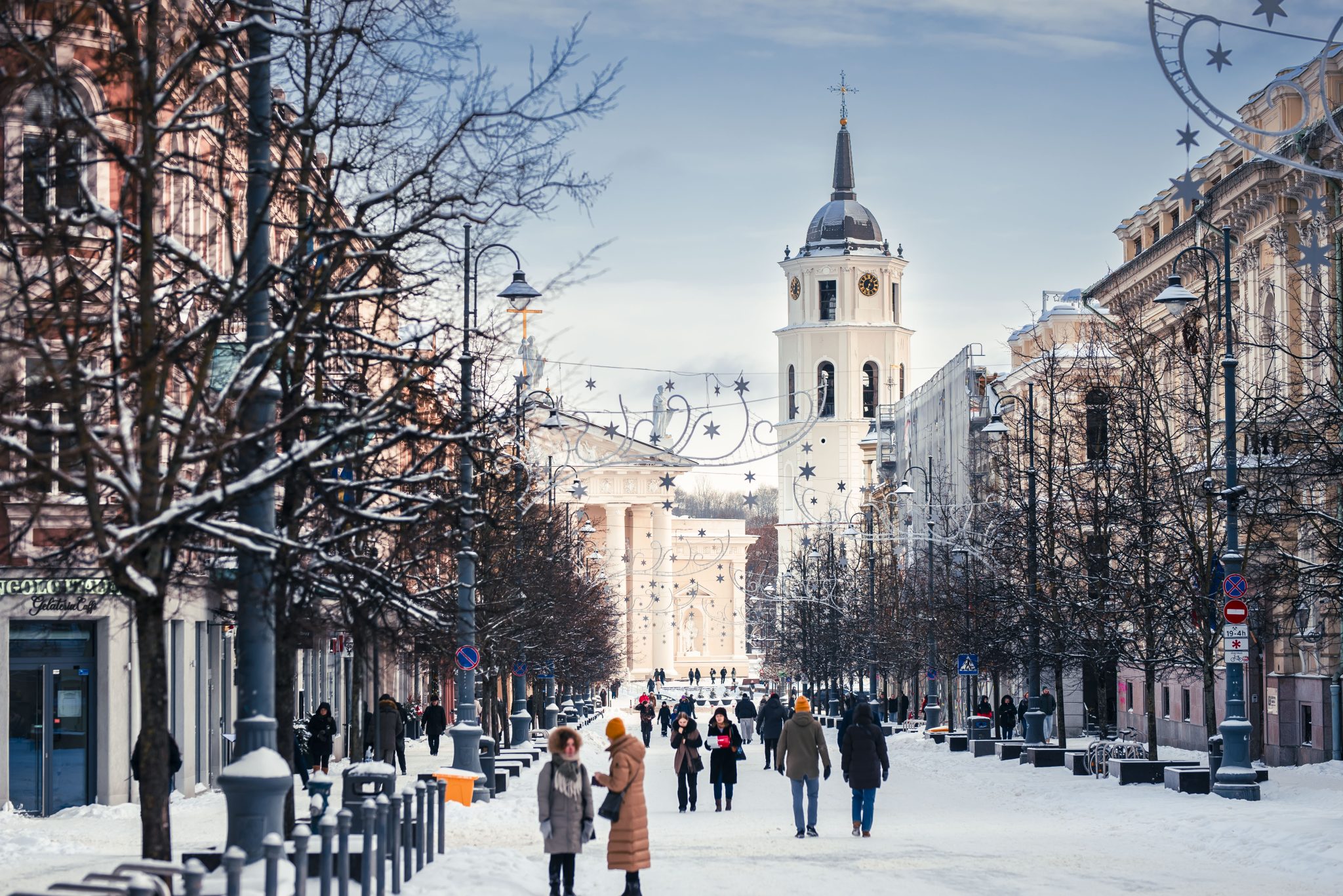
Most European winter destinations are either ski resorts (expensive, crowded, activity-focused) or cities that happen to be cold in February. Vilnius is something different. It’s small enough to feel manageable but has the infrastructure of a real capital. The Old Town is a UNESCO World Heritage site with cobblestones and church spires, but you can be in actual wilderness in fifteen minutes.
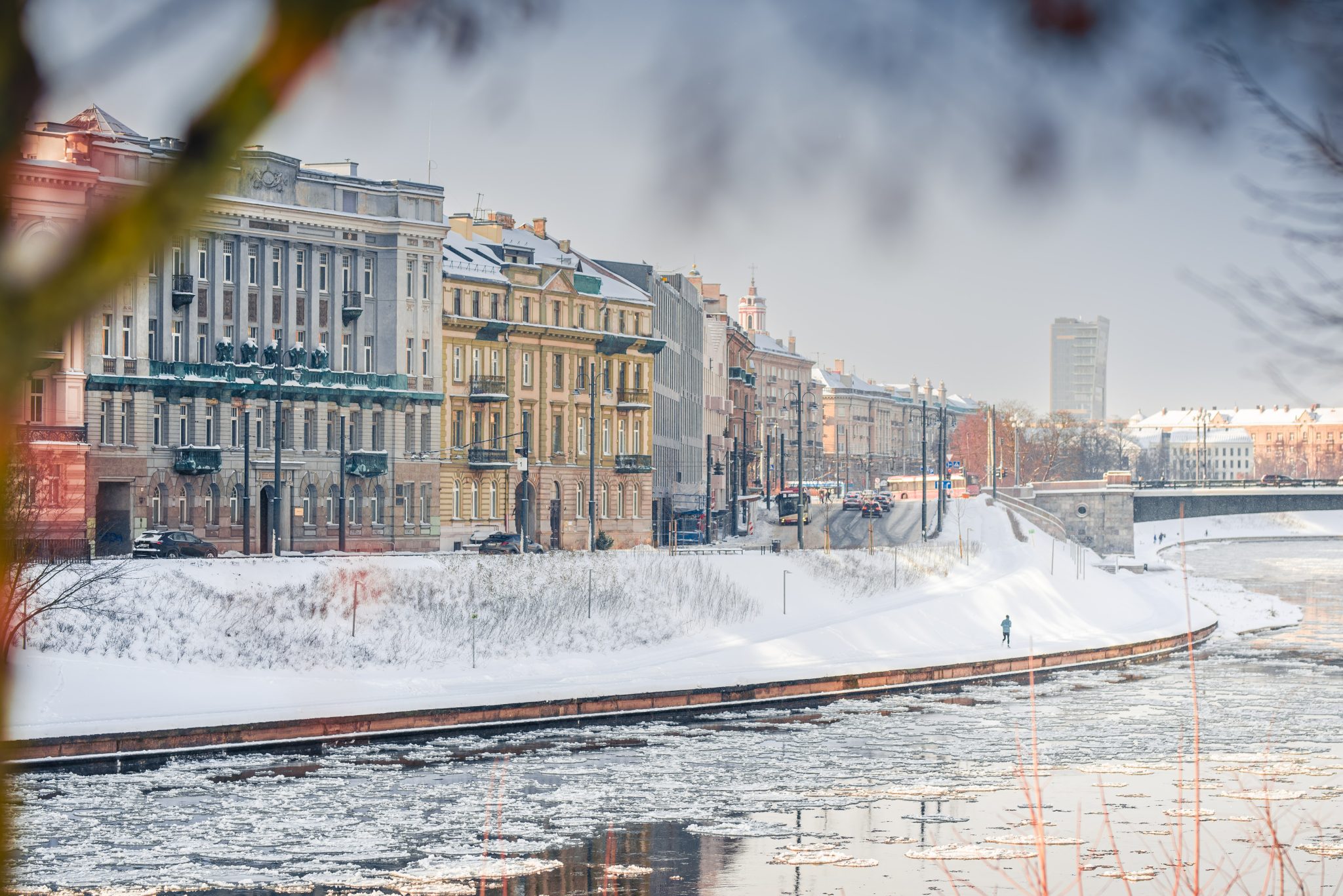
The city was recently named one of Europe’s most authentic destinations, which tracks with everything I’ve read about it. No Disney-fied historic district, no cruise ship crowds, no sense that you’re experiencing a performance of local culture rather than the real thing. Vilnius in winter means frozen rivers, wood smoke, and locals going about their lives while you drink coffee and watch the snow fall.
For those of us who grew up online but remember life before smartphones, there’s something appealing about a place that doesn’t seem optimized for Instagram. It just exists.
Winter Outdoor Activities (That Don’t Require Extreme Athleticism)
Skiing and snowboarding at Liepkalnis. Within ten minutes of the Old Town, Liepkalnis has 2.6km of slopes with one black run, three reds, four blues, and a green run with a belt lift for beginners. It’s not the Alps. Nobody is pretending it’s the Alps. But for a morning of skiing with views of the snow-covered city and forest, followed by pizza and drinks at the Apres ski bar, it’s surprisingly good. Night skiing sessions are available.
Cross-country skiing in Vingis Park. Even closer to the center, this park has groomed tracks for cross-country. Lower-impact than downhill, meditative in a way that racing down a mountain isn’t.
Ice skating with a view. A 34-minute train ride from Vilnius takes you to Trakai, where a lakeside skating rink offers views of a 14th-century island castle. That’s the kind of detail that would sound made up if it weren’t real.
Forest therapy. Guides lead slow, mindful walks through the forests surrounding the city. Sensory exercises, breathing, paying attention to the trees. Research supports its stress-reduction benefits, but honestly, even without studies, walking slowly through a quiet winter forest sounds like exactly what my nervous system needs.
Self-guided hiking. Over 100km of trails wind through regional parks near Vilnius. Popular routes include Pūčkorių trail through Pavilniai Regional Park (hilly terrain, river views), Verkiai Regional Park (forested paths), and Ribiškės hills (glacier-sculpted landscape). All accessible from the city center.
For the brave: ice dipping. A local group called Vilnelės Pankai meets daily at spots like Pūčkorių Atodanga for cold plunges in the Vilnelė river. I’m not saying I would do this. I’m saying it’s an option.
The Sauna Ritual
Lithuanian sauna culture (pirtys) is different from the quick steam you might grab at a gym. A traditional session is an entire ritual: herbal infusions scent the steam, honey and salt are applied for skin treatment, and a sauna master performs a full-body massage using vantos, bundles of leafy birch, oak, or juniper branches with supposed healing properties. It sounds intense. It also sounds like the kind of thing that might reset something deep.
Options range from rustic to refined. Ivanas Muša Gongą is a boutique-style urban sauna with locations in the city center and (interestingly) inside the former Lukiškės Prison. For something more traditional, bathhouses near the historic Pilaitė Mill on the city’s outskirts offer authentic rituals a short drive from the center.
Private sessions start around €25 per person. For a genuine wellness experience that isn’t packaged and marketed to tourists, that’s reasonable.
Comfort Food and Fine Dining
Lithuanian winter food is designed for cold weather and hard work. Cepelinai (potato dumplings stuffed with meat, shaped like zeppelins), kugelis (potato pudding), and žemaičių blynai (Samogitian pancakes) are the kind of dishes that make you want to take a nap afterward in the best way.
For something more refined, Vilnius has 28 Michelin-selected restaurants, including four with actual stars. Nineteen18 offers modern farm-to-table seasonal tasting menus. Džiaugsmas focuses on pure flavors and simplicity in a relaxed setting.
The city has also seen a boom in high-quality bakeries. Augustas ir Barbora serves champagne and desserts in a beautiful interior. Druska Miltai Vanduo is popular with locals for brunch and pastries. These are places where you could spend an afternoon with a book and a series of coffees, which feels very much like the point.
Winter Events Worth Planning Around
Vilnius Book Fair (February 26 – March 1). One of the largest book fairs in the region, featuring author talks, a youth zone, and a music hall with concerts. If you’re the type of person who finds a crowded bookstore calming rather than overwhelming, this is your event.
Kaziuko Mugė (March 6-8). An annual fair of Lithuanian craftsmanship that takes over the Old Town streets. Honey cakes, fresh rye bread, woven linen textiles, amber jewelry, and the fair’s signature item: verbos, colorful dried flower arrangements. This is the kind of event that doesn’t exist for tourists but welcomes them.
Kino Pavasaris Film Festival (March 9-22). One of the region’s largest film festivals, screening over 150 films. If your idea of a good vacation includes sitting in the dark watching movies from around the world, here’s your excuse.
Quiet Spaces for Reflection
Vilnius’ galleries and museums are sized for actual humans rather than Instagram content. MO Museum is the main modern and contemporary art gallery, with seasonal exhibitions, a sculpture garden, bistro, and reading room. They offer special mindfulness sessions when the museum closes to the public, so you can experience art without competing for space.
Sapieha Palace, the former residence of a Lithuanian noble family, is another calm space for wandering. Small enough to not exhaust you, interesting enough to hold your attention.
This is the appeal of Vilnius for a quietcation: everything is human-scaled. You don’t need three days to see the highlights. You can see them in one and spend the rest of your trip actually resting.
Getting to Vilnius
Direct flights connect Vilnius to Frankfurt, Copenhagen, Helsinki, and other major European cities. From the US, you’ll likely connect through one of these hubs. The city also works as a base for exploring the Baltic region, with convenient transport links to Riga, Tallinn, and Poland.
February and early March are genuine winter. Pack accordingly. But that’s also the point. The darkness and cold create an excuse to slow down, to drink something warm, to spend hours in a sauna or a café or a museum without feeling like you should be outside accomplishing something.
Is a Quietcation Actually Rest?
I’m skeptical of any travel trend that promises to fix something. But the idea of a quietcation appeals to me because it’s essentially permission to do less. To choose a destination not for its attractions but for its atmosphere. To measure a trip’s success by how rested you feel rather than how many things you saw.
Vilnius in winter feels designed for this. Forest, sauna, coffee, museum, dinner, sleep. Repeat. No pressure to optimize, no fear of missing out, no content to create. Just a few days of being somewhere quiet and cold and strange, letting your brain settle.
That sounds more like a vacation than anything I’ve taken in years.
Frequently Asked Questions
What is a quietcation?
A quietcation is a trip focused on digital detox, slowing down, and reconnecting with the physical world rather than checking off tourist attractions. The goal is genuine rest and restoration rather than activity.
Is Vilnius expensive to visit?
Vilnius is significantly more affordable than Western European capitals. Private sauna sessions start around €25 per person, and the city has options ranging from budget to fine dining. Flights from major European hubs are generally reasonable.
What’s the weather like in Vilnius in winter?
Cold. Average temperatures in February range from -6°C to 0°C (21°F to 32°F). Snow is common. Pack layers, a warm coat, and waterproof boots.
Do I need to speak Lithuanian?
English is widely spoken in Vilnius, especially in restaurants, hotels, and tourist areas. Younger Lithuanians particularly tend to speak English fluently.
How long should I spend in Vilnius?
For a quietcation, 4-7 days allows time to actually slow down rather than rush through activities. The city itself is compact enough to explore in 2-3 days, leaving time for saunas, forest walks, and doing nothing on purpose.
What is a Lithuanian sauna like?
Traditional Lithuanian saunas involve herbal steam infusions, honey and salt skin treatments, and massage with leafy birch or oak branches called vantos. Sessions are longer and more ritualistic than typical Western saunas.
Can I ski near Vilnius?
Yes. Liepkalnis ski resort is 10 minutes from the Old Town with 2.6km of slopes for all ability levels. It’s not alpine skiing, but it’s convenient and fun for a morning or afternoon.
What should I eat in Vilnius?
Traditional winter dishes include cepelinai (potato dumplings), kugelis (potato pudding), and žemaičių blynai (Samogitian pancakes). The city also has 28 Michelin-selected restaurants for fine dining.
Is Vilnius safe for solo travelers?
Vilnius is considered very safe, with low crime rates. The city is walkable and public transportation is reliable. Solo travelers, including women, generally report feeling comfortable.
What’s the best time to visit Vilnius for a winter quietcation?
February through early March offers true winter conditions plus cultural events like the Book Fair (late February), Kaziuko Mugė craft fair (early March), and Kino Pavasaris film festival (mid-March).