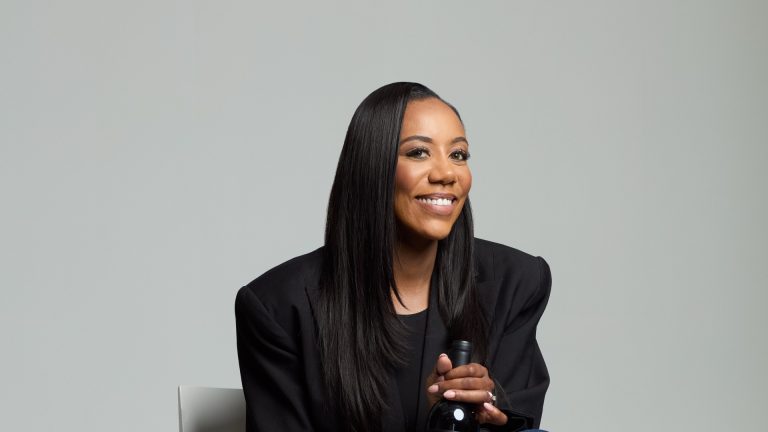
Kora Franco runs Aesthetic Wines from New York City. She doesn’t live near a vineyard. She hasn’t quit her banking job. Somewhere in the margins of her corporate life, she’s been building a three-bottle California label on nights and weekends, one decision at a time.
Kora is a Black woman founder, which matters in an industry where that combination is still vanishingly rare and most of the gatekeepers still look exactly the way they always have. She’s also building the brand without leaving her day job, which reframes what’s possible when you want to start something but can’t afford to blow up the rest of your life to do it.
We exchanged questions and answers by email. What I got back wasn’t a brand interview. It was the kind of conversation you’d have at a friend’s kitchen table if that friend happened to be running a business between board meetings. Here’s who she is, what she’s making, and why the wine press has started paying attention.

Key Takeaways
- Aesthetic Wines is a Black woman-founded California label built by Kora Franco, who still works full-time in corporate banking while running the brand
- The 2022 Cabernet Sauvignon just took Gold (92 points) at the Los Angeles International Wine Competition and Silver at the Los Angeles Invitational
- The lineup: 2022 Cabernet Sauvignon ($39.99), 2022 Chardonnay ($34.99), 2023 Sauvignon Blanc ($29.99), available direct to consumer at aestheticwines.com
- The brand has already extended beyond wine into a four-scent candle line ($24.99 each), an early signal of Kora’s stated lifestyle-brand ambition
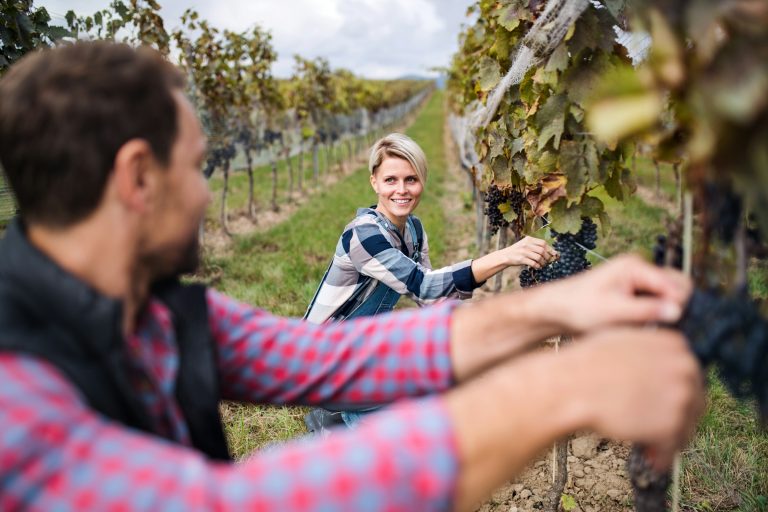
- Grapes are sourced from Lodi, Napa and Sonoma, and the Central Coast, with preference for vineyard partners using reduced pesticides and water-conservation practices
- A Gewurztraminer is set to release in roughly six weeks, with sparkling and 0% ABV bottles on the roadmap
- ‘Aesthetic for HER’, Kora’s downloadable app on Apple and Google, is pitched as the first wine-backed social club of its kind
- Long-term, Kora wants Aesthetic Wines to be a global lifestyle brand that invests in women entrepreneurs to close the 2% gap in venture capital funding going to women
From a Cooper’s Hawk Barstool to a California Cab
Kora’s backstory is unflinching. She lost her mother young. A year later, she learned that the man she believed was her father wasn’t. “Those experiences shaped my sense of resilience very early on,” she told me. What rebuilt around that loss was a small, private ritual: wine with close friends and family, poured at milestones, raised at wins. Celebration was the scaffolding.
Her entry point into wine, specifically, was Cooper’s Hawk. The restaurant-and-winery chain has a wine club membership she’s held for over a decade, even though the nearest location isn’t close. “It’s symbolic though,” she said. She and her friends would meet there to mark accomplishments, glass in hand. On one of those nights, she floated a line she’d repeated for years: she wished she had her own wine brand. At some point she stopped hedging. “Why not, let me try and see where it may lead me,” she remembers saying. That was the pivot.
Before Aesthetic Wines, Kora worked in banking and consulting in New York. She still does. The brand is being built in parallel with her 9-to-5, and, to hear her describe it, the hardest part hasn’t been the wine. It’s been the mental load of running two full lives at once. “No one really prepares you for that,” she said. “You’re constantly shifting between roles, making decisions, and pushing forward even when you’re exhausted.”
She’s also quick to name that she isn’t doing it alone. A “strong, aligned team,” in her words, is what keeps the work possible at this pace. It’s a quieter confession than most founder interviews deliver. Most of them still want you to believe it was all them.
The Medals (The News Peg, Arriving a Little Late)
Here’s what’s happening on the competition circuit, because it’s part of why I’m writing this now.
The 2022 Cabernet Sauvignon just took a Gold Medal with a 92-point score at the Los Angeles International Wine Competition, plus a Silver at the Los Angeles Invitational. For a three-bottle, independently built label going up against established producers from across the country and abroad, that’s a meaningful scoreboard moment. For a Black woman-founded brand in an industry where that combination is still unusual, it’s bigger than that. The Cab retails for $39.99, which is also worth naming. This isn’t a trophy bottle priced to match its medal.

The Lineup, the Sourcing, and What’s Coming Next
The current three bottles are a 2022 Cabernet Sauvignon ($39.99), a 2022 Chardonnay ($34.99), and a 2023 Sauvignon Blanc ($29.99). Kora said she wanted to start with the classics rather than get clever. The grapes come from three California regions, each chosen for a specific reason:
- Lodi, for warm sunny days and cool nights, which Kora says produces “bold ripe wines,” and because growers there have been early adopters of sustainable farming practices
- Napa and Sonoma (North Coast), where cool ocean air slows ripening and pushes the wines toward complexity and elegance
- Central Coast, for the balance of sun and ocean air that Kora credits with producing the crisp whites and juicy reds the region is known for
She also translated “optimal terroir,” which appears on her site, into something a person holding a glass can actually do something with. Cabernet: rich dark fruit and structure. Chardonnay: freshness and a smooth texture. Sauvignon Blanc: brightness and crispness. Those are her descriptors.
The lineup isn’t staying at three for long. Kora just came back from Napa, where she blended a Gewurztraminer that’s expected to release in roughly six weeks. Beyond that, she’s working on sparkling wines and a 0% ABV line. The sober-curious audience is real, and most wine brands are still pretending it isn’t.
On production, she works closely with experienced winemakers rather than running the cellar herself. Her role sits on the creative-strategic side: blending, tasting, decision-making. “I rely on technical expertise where it matters most,” she said. “It’s very collaborative.”
On sustainability, she was plain-spoken. Because the grapes come from partner vineyards, Kora prioritizes growers who practice reduced chemical pesticides, natural vineyard management, and water conservation. There are no sustainability certifications on the label yet, and she didn’t pretend otherwise.
The Brand Isn’t Trying to Fit In
The wine world is famously gatekept. Kora’s response to that is to build around it rather than argue with it. “I didn’t enter this space to fit in,” she said. “I came to evolve it.”
The clearest example is Aesthetic for HER, an app she describes as the first wine-backed social club of its kind, available on Apple and Google. The emphasis is on community, wellness, and in-person plus digital connection for ambitious women. The bottle is the by-product, not the pitch.
The labels are getting a redesign too. The next generation of bottles will carry art that she called “modern, expressive, and aligned with who our consumer is today,” rather than the expected wine-label look. That’s a surprisingly small lever that tells you exactly where the brand is pointed.
Why this matters for readers
A significant share of wine in the United States is bought by women, and more of that buying is happening outside the traditional wine-shop setting. Brands that design for this reader, rather than at her, are doing something Aesthetic Wines has built its whole identity around.
When I asked Kora which winemakers outside her own label she admires, she named the McBride Sisters. What draws her is how they’ve built a brand that expands representation and honors heritage without losing commercial credibility. It sounded less like a shout-out and more like a benchmark.
What makes the “lifestyle brand” line more than marketing is that the extension is already underway. Aesthetic Wines currently sells a four-scent candle line under the same label ($24.99 each, with names like Golden Hour and Velvet Dusk). The roadmap Kora describes is already happening in miniature.
Five Years Out
I asked Kora where she wants Aesthetic Wines to be in 2031. Her answer started the way you’d expect (“a globally recognized lifestyle brand, one that extends beyond wine into community, experiences, and cultural influence”) and then went somewhere most five-year-plan answers don’t.
“Today, women receive only about 2% of venture capital funding, and that gap is something I’m deeply aware of,” she said. “I want Aesthetic Wines to play a role in changing that by supporting and eventually investing in women entrepreneurs, whether through mentorship, capital, or community-building. Success, to me, isn’t just about what we build as a brand, it’s about how many others we can help build alongside us.”
That’s not a founder answer. That’s a roadmap.
The Bottom Line
Aesthetic Wines is Kora Franco’s second full-time job, and she’s pulling it off well enough that two of California’s most recognized competitions just put medals on her 2022 Cabernet. The lineup is tight. The prices are approachable ($29.99 to $39.99). A Gewurztraminer is on deck. The whole project is aimed at becoming something bigger than a bottle on a shelf. The three current wines are available direct to consumer at aestheticwines.com.
The Full Interview With Kora Franco
Lightly edited for clarity.
1. Your about page talks about losing someone young and how that shaped you. How much of that are you comfortable getting into? I’m curious how directly that experience connects to starting a wine brand.
I’m open to sharing that part of my story. Losing my mother at a young age and a year later discovering that the man I believed to be my father wasn’t, left me navigating life without a traditional support system. Those experiences shaped my sense of resilience very early on.
Despite that, wine became closely tied to moments of celebration with my close friends and family. It was how we acknowledged growth and milestones. Starting Aesthetic Wines felt like a natural extension of that, transforming something deeply symbolic into something tangible and meaningful.
2. What were you doing before Aesthetic Wines? Was there a specific moment where you went from “I love wine” to “I’m making wine”?
Before Aesthetic Wines, I worked in banking and consulting in New York City. I actually still work within banking and building Aesthetic Wines while working in corporate. Wine had always been part of how I marked progress, and over time I realized I didn’t just want to enjoy it. I wanted to build something around it.
3. You mention celebrating accomplishments with wine tastings as a tradition. Is there one bottle or one night that stands out as the moment you thought, “I should be making this myself”?
My friends, family, and I would always celebrate accomplishments at Cooper’s Hawk. I’ve had their wine club membership for over a decade now, even though there isn’t a location near me. It’s symbolic though. As far as making wine myself, as we were sipping our wine at Cooper’s Hawk, I used to always say that I wish I had a wine brand. Then one day (can’t remember the exact day), I said, “Why not, let me try and see where it may lead me,” and here I am.
4. You’ve got three wines: Cabernet, Chardonnay, Sauvignon Blanc. Did you always plan to keep it tight like that, or did you start with a bigger list and edit down? Anything new coming?
I wanted to start with the traditional wines. I am actually expanding now. I recently just came from Napa blending a Gewurztraminer. It should be released in about 6 weeks. I also plan to get into sparkling wines and 0% (non-alcohol), for everyone to enjoy.
5. Where are the grapes coming from? What pulled you toward those vineyards or regions specifically?
The grapes are sourced from Lodi because they produce warm sunny days and cool nights, which makes it perfect for bold ripe wines, and they are pioneers in sustainable farming practices. Napa and Sonoma (Northern Coast) because the cool ocean breeze helps the grapes ripen slowly, which results in complex elegant wines. And Central Coast has sun balance, cool ocean air, which can produce crisp chardonnays and juicy reds grown with sustainable care.
6. Walk me through your typical day during harvest or production. Are you in the cellar yourself, or do you work with a winemaker? Who else is on the team?
I work closely with experienced winemakers rather than operating solo in the cellar. My role is very hands-on from a creative and strategic standpoint, such as blending, tasting, decision-making, while relying on technical expertise where it matters most. It’s very collaborative.
7. Your site mentions “optimal terroirs” for each wine. Can you translate that for someone holding the glass? What should they taste, and what makes each one different?
“Optimal terroir” essentially means the environment where the grapes grow best. In the glass, that translates to balance and clarity. Cabernet with rich dark fruit and structure, Chardonnay with freshness and a smooth texture, and Sauvignon Blanc with brightness and crispness. Each one is distinct but approachable.
8. The wine world can feel pretty gatekeepy and old-school. You’re building a brand around earned luxury and confidence, which feels like a direct challenge to that. Have you run into resistance, and how do you handle it?
Yes, there’s been resistance, and honestly, I expected it. The wine industry has long been gatekept and rooted in tradition, so building something that challenges that naturally disrupts the status quo. But I didn’t enter this space to fit in. I came to evolve it.
A clear example of that is ‘Aesthetic for HER’, our downloadable app via Apple and Google. It’s the first wine-backed social club of its kind. Instead of focusing solely on the bottle, we’ve built a community-driven experience (in real-life and digital) that brings together ambitious women through lifestyle, wellness, and connection. That’s not traditional in wine, and that’s exactly the point.
Even down to our labels, we’re intentionally moving away from what’s expected. The new designs, which will be on our upcoming wine bottles, don’t follow traditional wine aesthetics. They’re modern, expressive, and aligned with who our consumer is today.
I don’t spend time trying to convince people who aren’t ready to see the vision. I focus on execution, consistency, and building something undeniable. Over time, results speak louder than perception. What may feel disruptive at first eventually becomes the standard, and I’m very comfortable being ahead of that curve.
9. Your site mentions eco-friendly vineyard practices and reduced pesticides. Can you get specific? What are you actually doing, and are there certifications on the radar?
Since we source from partner vineyards, we prioritize working with those that use eco-conscious practices, reduced chemical pesticides, natural vineyard management, and water conservation. It’s about aligning with growers who are thoughtful about both the land and long-term sustainability.
10. Real talk: what do you eat with each of your three wines at home? Not the sommelier answer. The Tuesday night answer.
I don’t have specific paired meals with each wine. I highly believe in breaking the rules in the world of wine. If I feel like red one night, I’ll have Cabernet Sauvignon, even if it’s with seafood. If I want white while eating a steak, I’ll have white. I just go with whatever I have a taste for at that time.
11. Is there a winemaker or brand you admire that isn’t yours? What draws you to their work?
I really admire the McBride Sisters. What draws me to their work is how they’ve built something that honors both heritage and innovation, while also expanding representation in the wine industry. They’ve created a brand that feels authentic, purposeful, and culturally relevant, which is something I deeply respect and strive for in my own work.
12. What’s the hardest part of building this that nobody warned you about?
The mental side of building something from the ground up. Also, I am still working my 9-5 while building it, which requires a level of discipline, time management, and mental resilience that no one really prepares you for. You’re constantly shifting between roles, making decisions, and pushing forward even when you’re exhausted.
At the same time, I’m very aware that I’m not doing this alone. Having a strong, aligned team has been essential. Their support, expertise, and belief in the vision make it possible to keep building at this level. It’s a reminder that while the journey can feel personal, growth at this scale is always a collective effort.
13. Five years from now, where do you want Aesthetic Wines to be?
In five years, I see Aesthetic Wines as a globally recognized lifestyle brand, one that extends beyond wine into community, experiences, and cultural influence. Growth is important, but it has to be intentional and aligned with our values.
A big part of that vision is giving back. Today, women receive only about 2% of venture capital funding, and that gap is something I’m deeply aware of. I want Aesthetic Wines to play a role in changing that by supporting and eventually investing in women entrepreneurs, whether through mentorship, capital, or community-building. Success, to me, isn’t just about what we build as a brand. It’s about how many others we can help build alongside us.
Frequently Asked Questions
Who is the founder of Aesthetic Wines?
Kora Franco is the founder of Aesthetic Wines. She built the California label while working full-time in corporate banking and consulting in New York City, and continues to run both in parallel. Aesthetic Wines is a Black woman-founded independent wine brand.
Where can I buy Aesthetic Wines?
Aesthetic Wines is sold direct to consumer through the brand’s website at aestheticwines.com. The current lineup includes three California wines available for shipping.
What wines does Aesthetic Wines make?
Aesthetic Wines currently produces three bottles: a 2022 Cabernet Sauvignon at $39.99, a 2022 Chardonnay at $34.99, and a 2023 Sauvignon Blanc at $29.99. A Gewurztraminer is expected to release in roughly six weeks, and sparkling wines plus a non-alcoholic (0% ABV) line are in development.
Does Aesthetic Wines sell anything besides wine?
Yes. The brand currently sells a four-scent candle line at $24.99 each, including Golden Hour, Velvet Dusk, Winter Aura, and Morning Dew. Founder Kora Franco has described Aesthetic Wines as a lifestyle brand that extends beyond the bottle, and the candles are the first product extension in that direction.
Did Aesthetic Wines win any awards in 2026?
Yes. The Aesthetic Wines 2022 Cabernet Sauvignon took a Gold Medal with 92 points at the 2026 Los Angeles International Wine Competition, plus a Silver Medal at the 2026 Los Angeles Invitational Wine Competition.
Where do Aesthetic Wines’ grapes come from?
The grapes are sourced from three California regions: Lodi, chosen for warm days, cool nights, and sustainable farming practices; Napa and Sonoma on the North Coast, where ocean air slows ripening for complex wines; and the Central Coast, known for balanced sun-and-ocean-air conditions that produce crisp whites and juicy reds.
Is Aesthetic Wines Black-owned?
Yes. Aesthetic Wines is a Black woman-founded and owned wine brand, founded by Kora Franco.
What is Aesthetic for HER?
Aesthetic for HER is a downloadable app from Aesthetic Wines, available on Apple and Google. It’s described as the first wine-backed social club of its kind, built around community, wellness, and connection for ambitious women, both in-person and digital.
Is Aesthetic Wines certified sustainable or organic?
Aesthetic Wines sources grapes from partner vineyards that prioritize reduced chemical pesticides, natural vineyard management, and water conservation, but the brand does not currently hold formal sustainability certifications. Kora Franco has said selecting eco-conscious growers is a core part of the sourcing decision.
How much do Aesthetic Wines cost?
The three current wines range from $29.99 for the Sauvignon Blanc to $39.99 for the Cabernet Sauvignon, with the Chardonnay at $34.99. All three are available direct to consumer at aestheticwines.com as of April 2026.
When will the Aesthetic Wines Gewurztraminer be released?
The Gewurztraminer is expected to release roughly six weeks from late April 2026, putting its launch window in early-to-mid June 2026. The brand is also developing sparkling wines and a non-alcoholic line.